How plants solve problems without moving.
A plant knowledge guide for gardeners, students and curious readers, with verifiable diagrams drawn from data: what it is and why it grows that way.
Where to start
One entry from each section of the guide: plant forms, garden design history, tea and coffee, and evolutionary trees.
-
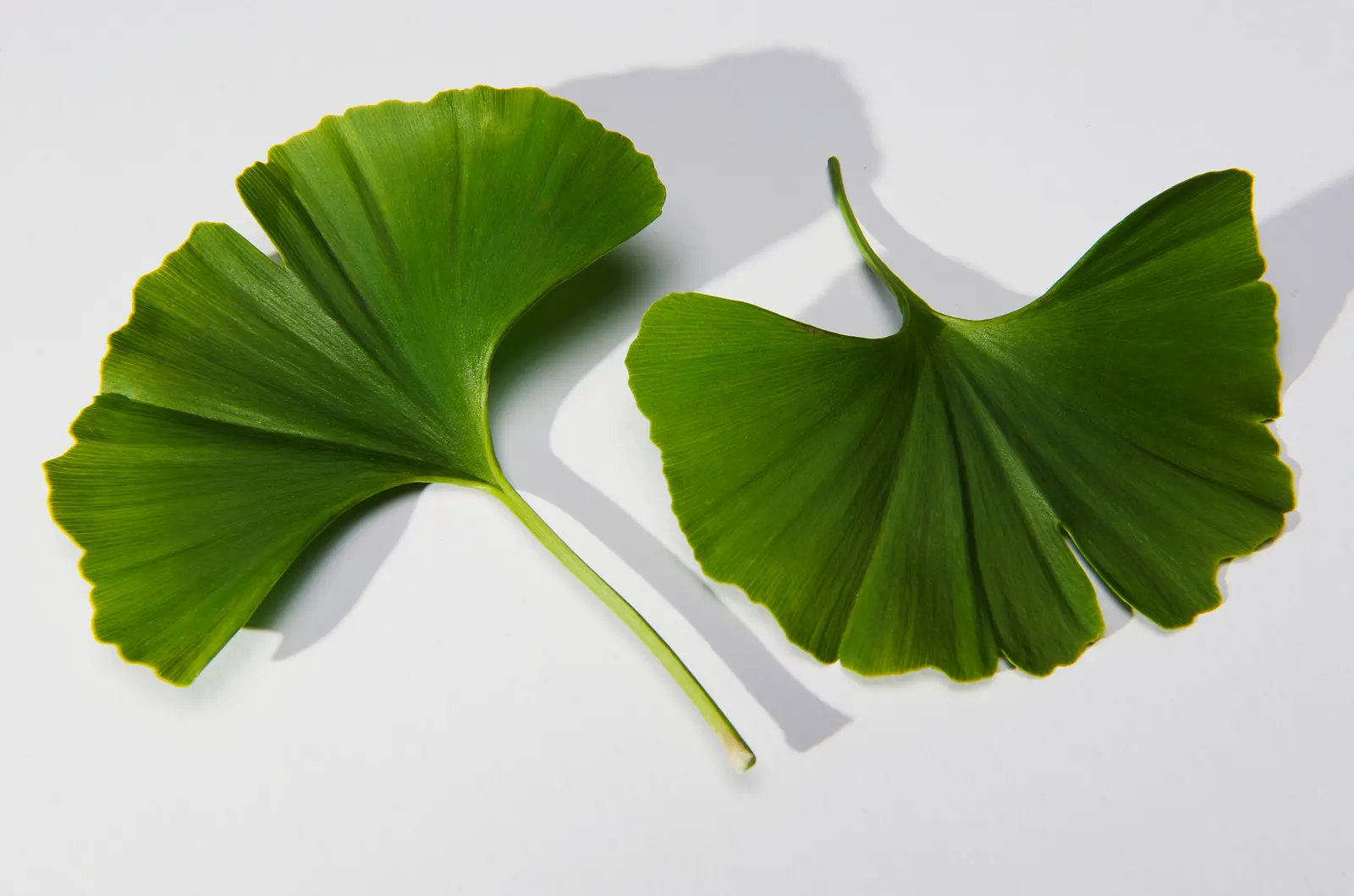
Plant Forms & Structures
Leaf Shapes: A Leaf's Name Is a Phrase, Not a Single Word
Image credit
"GingkoLeaf" by THOR — https://commons.wikimedia.org/wiki/File:GingkoLeaf.jpg — CC BY 2.0 (https://creativecommons.org/licenses/by/2.0/) -
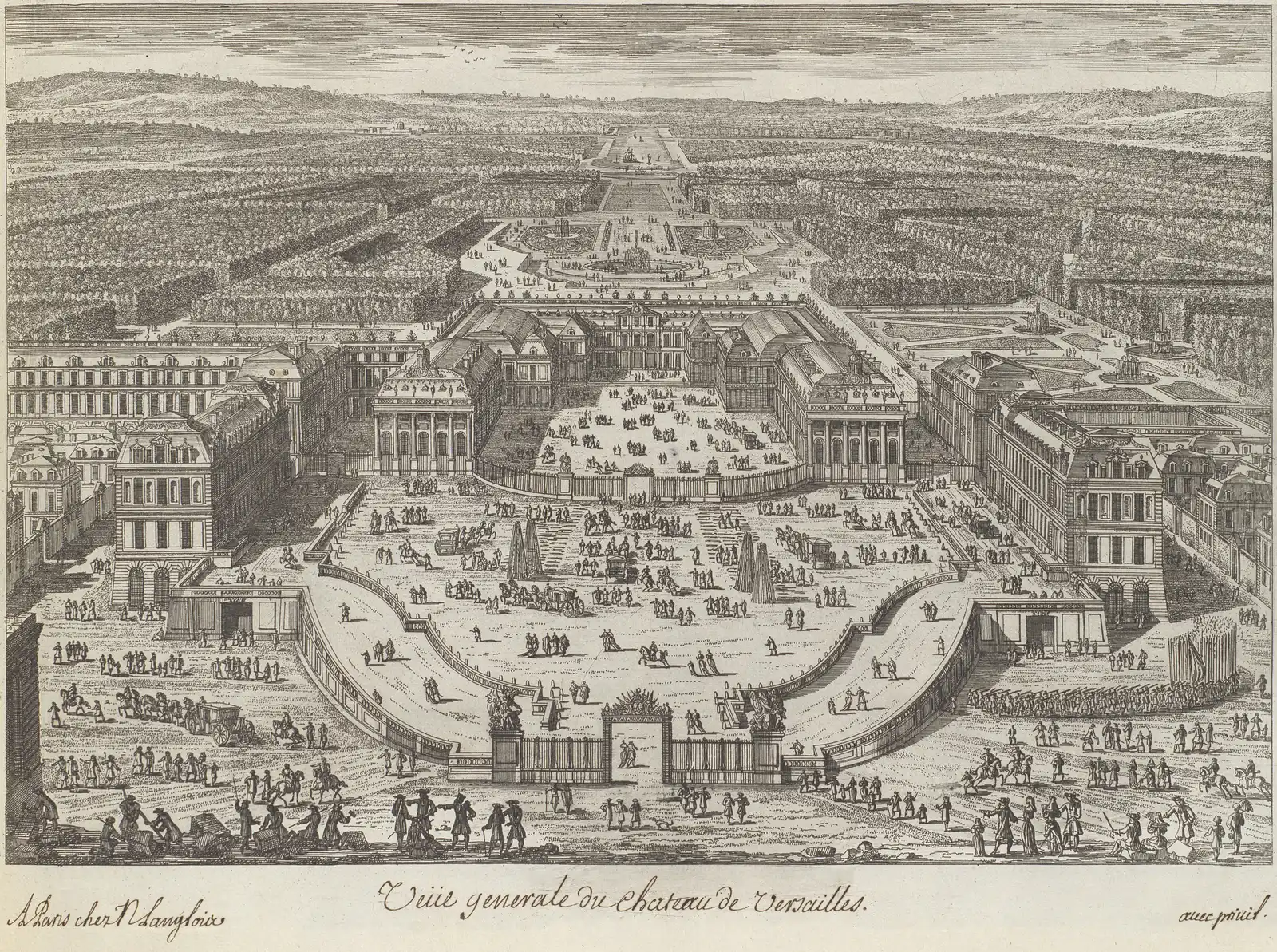
Garden Design History
Gardens of Versailles: The King Wrote Where to Stop and Look
Image credit
"Adam Perelle, Veüe generale du chateau de Versailles, 1680s" by Adam Perelle — https://commons.wikimedia.org/wiki/File:Adam_Perelle,_Ve%C3%BCe_generale_du_chateau_de_Versailles,_1680s.jpg — CC0 1.0 (https://creativecommons.org/publicdomain/zero/1.0/) -
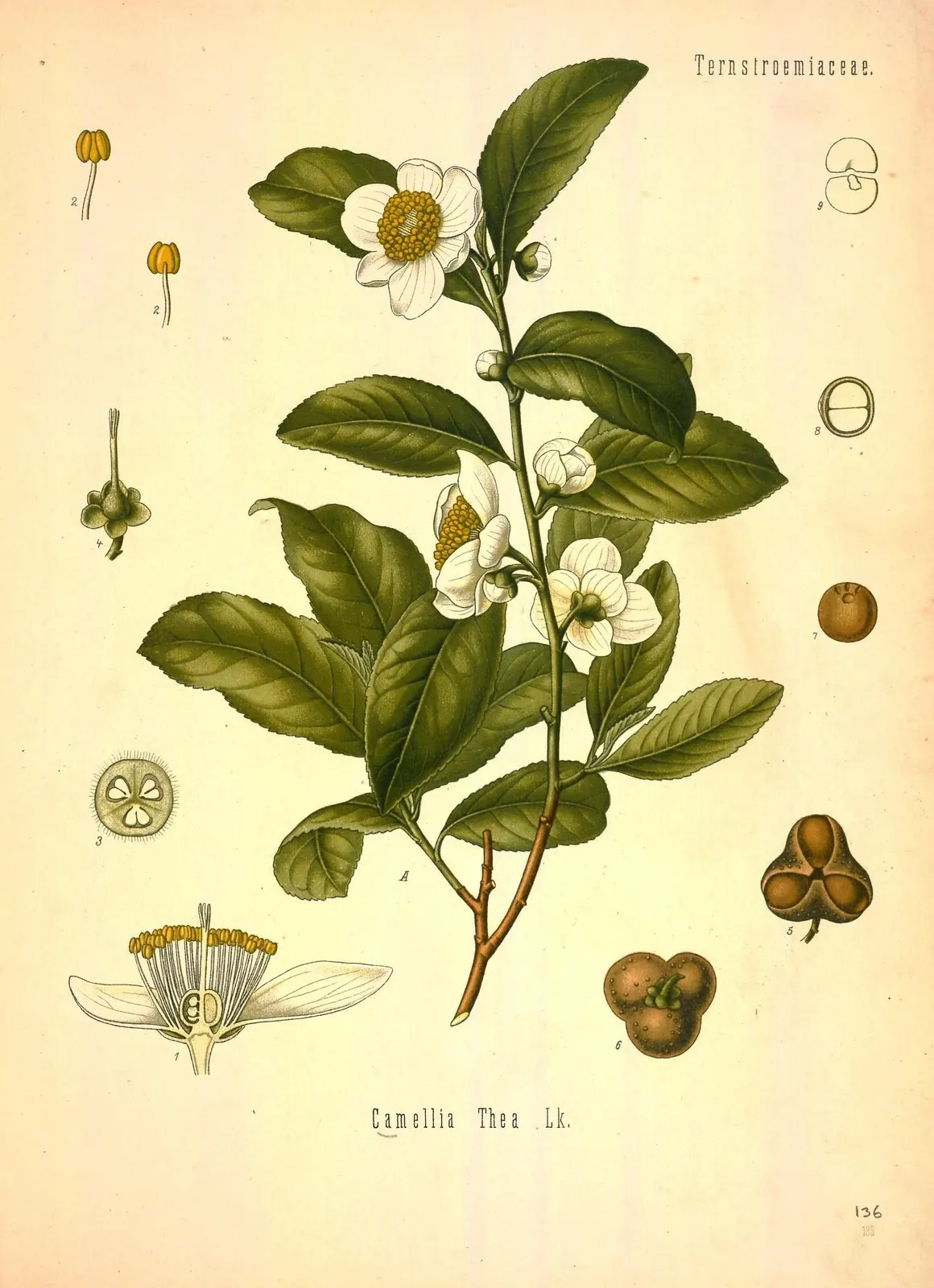
Tea & Coffee
Types of Tea: One Leaf, Six Paths, Three Kinds of Change
Image credit
"Köhler's Medizinal-Pflanzen in naturgetreuen Abbildungen mit kurz erläuterndem Texte (Plate 136) (8231734373)" by Köhler's Medizinal-Pflanzen (Biodiversity Heritage Library) — https://commons.wikimedia.org/wiki/File:K%C3%B6hler's_Medizinal-Pflanzen_in_naturgetreuen_Abbildungen_mit_kurz_erl%C3%A4uterndem_Texte_(Plate_136)_(8231734373).jpg — Public domain (Plate 136, published in vol. 2 of "Köhler's Medizinal-Pflanzen" in 1890; the plate artist is not named, so the plate is treated as an anonymous work; US: published before 1931; EU: an anonymous work made public more than 70 years ago; the Biodiversity Heritage Library scan is a faithful reproduction) -
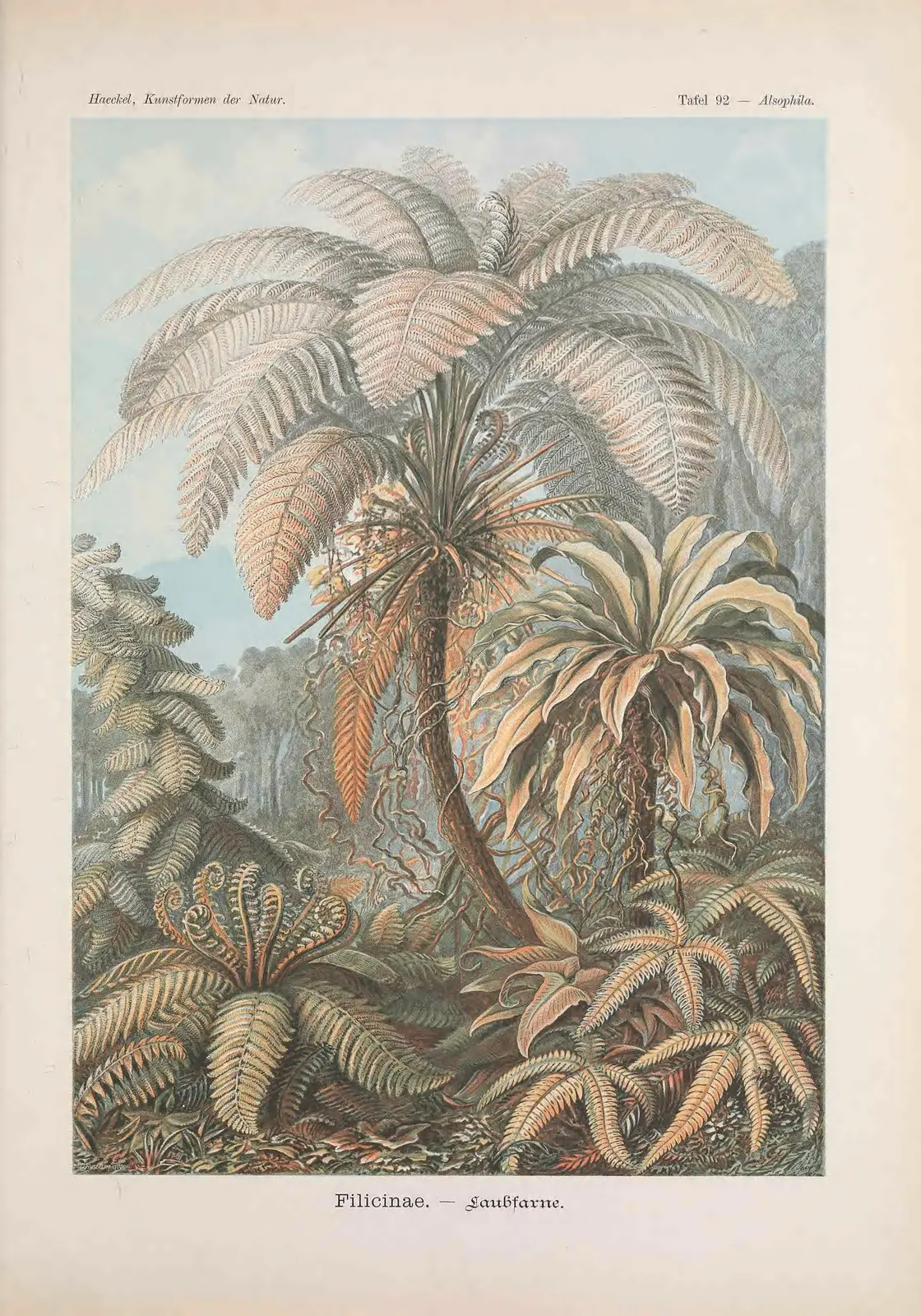
Reading Evolutionary Trees
Ladder of Progress: Mosses Have Evolved as Long as Roses
Image credit
"Kunstformen der Natur (Tafel 92) BHL47388457" by Ernst Haeckel (Biodiversity Heritage Library) — https://commons.wikimedia.org/wiki/File:Kunstformen_der_Natur_(Tafel_92)_BHL47388457.jpg — Public domain (Ernst Haeckel d. 1919; the Vienna printing firm Angerer & Göschl named on the plate is a company credit, treated as an anonymous contribution; published in "Kunstformen der Natur" between 1899 and 1904; US: published before 1931; EU: more than 70 years after Haeckel's death and after publication; the Biodiversity Heritage Library scan is a faithful reproduction)


Latest entries
-
Plant Forms & Structures
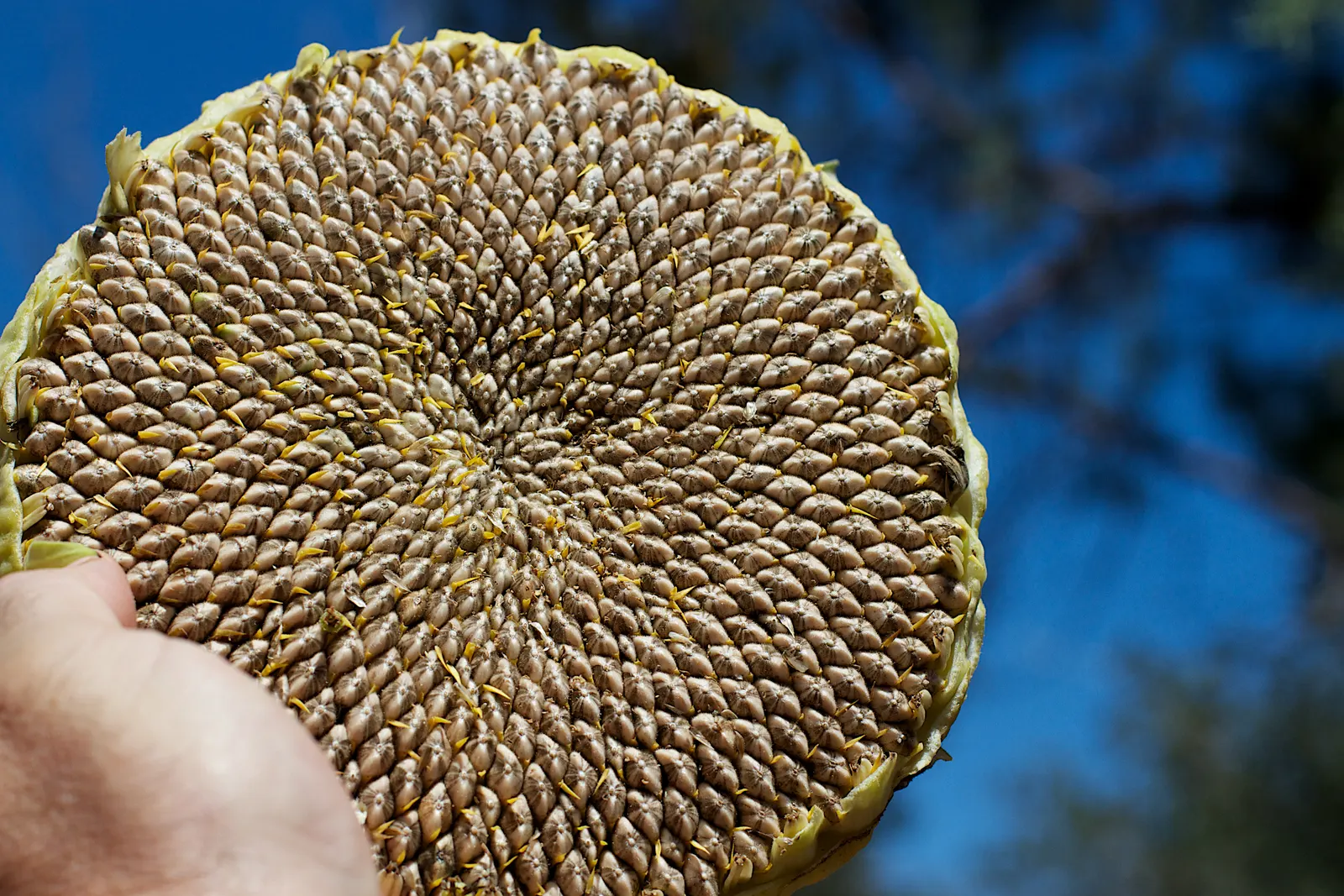
Fibonacci in Nature: The Sunflowers That Break the Sequence
Sunflowers are the classic case of Fibonacci in nature, yet 203 of 768 checked spiral counts were not Fibonacci numbers. What the misses reveal about growth.
Image credit
"2013-365-247 Packed With Seeds (9678568718)" by cogdogblog — https://commons.wikimedia.org/wiki/File:2013-365-247_Packed_With_Seeds_(9678568718).jpg — CC BY 2.0 (https://creativecommons.org/licenses/by/2.0/) -
Plant Forms & Structures
Leaf Shapes: A Leaf's Name Is a Phrase, Not a Single Word
Leaf shapes are spelled from parts: 55 terms for outline, tip, base, margin, veins and division, each drawn from its definition, with Flora of China examples.
Image credit
"GingkoLeaf" by THOR — https://commons.wikimedia.org/wiki/File:GingkoLeaf.jpg — CC BY 2.0 (https://creativecommons.org/licenses/by/2.0/) -
Garden Design History
Gardens of Versailles: The King Wrote Where to Stop and Look
Louis XIV wrote his own guide to the gardens of Versailles, telling visitors where to pause and look. On a 1726 plan, his main viewpoints sit on one long axis.
Image credit
"Adam Perelle, Veüe generale du chateau de Versailles, 1680s" by Adam Perelle — https://commons.wikimedia.org/wiki/File:Adam_Perelle,_Ve%C3%BCe_generale_du_chateau_de_Versailles,_1680s.jpg — CC0 1.0 (https://creativecommons.org/publicdomain/zero/1.0/) -
Tea & Coffee
Types of Tea: One Leaf, Six Paths, Three Kinds of Change
All six types of tea can come from one plant, Camellia sinensis. They differ through three kinds of change: leaf enzymes, damp heat and microbes in a pile.
Image credit
"Köhler's Medizinal-Pflanzen in naturgetreuen Abbildungen mit kurz erläuterndem Texte (Plate 136) (8231734373)" by Köhler's Medizinal-Pflanzen (Biodiversity Heritage Library) — https://commons.wikimedia.org/wiki/File:K%C3%B6hler's_Medizinal-Pflanzen_in_naturgetreuen_Abbildungen_mit_kurz_erl%C3%A4uterndem_Texte_(Plate_136)_(8231734373).jpg — Public domain (Plate 136, published in vol. 2 of "Köhler's Medizinal-Pflanzen" in 1890; the plate artist is not named, so the plate is treated as an anonymous work; US: published before 1931; EU: an anonymous work made public more than 70 years ago; the Biodiversity Heritage Library scan is a faithful reproduction) -
Reading Evolutionary Trees
Ladder of Progress: Mosses Have Evolved as Long as Roses
The ladder of progress puts mosses on a low rung and roses at the top. On the tree of land plants, both lines have evolved for the same time since they split.
Image credit
"Kunstformen der Natur (Tafel 92) BHL47388457" by Ernst Haeckel (Biodiversity Heritage Library) — https://commons.wikimedia.org/wiki/File:Kunstformen_der_Natur_(Tafel_92)_BHL47388457.jpg — Public domain (Ernst Haeckel d. 1919; the Vienna printing firm Angerer & Göschl named on the plate is a company credit, treated as an anonymous contribution; published in "Kunstformen der Natur" between 1899 and 1904; US: published before 1931; EU: more than 70 years after Haeckel's death and after publication; the Biodiversity Heritage Library scan is a faithful reproduction) -
Plant Forms & Structures
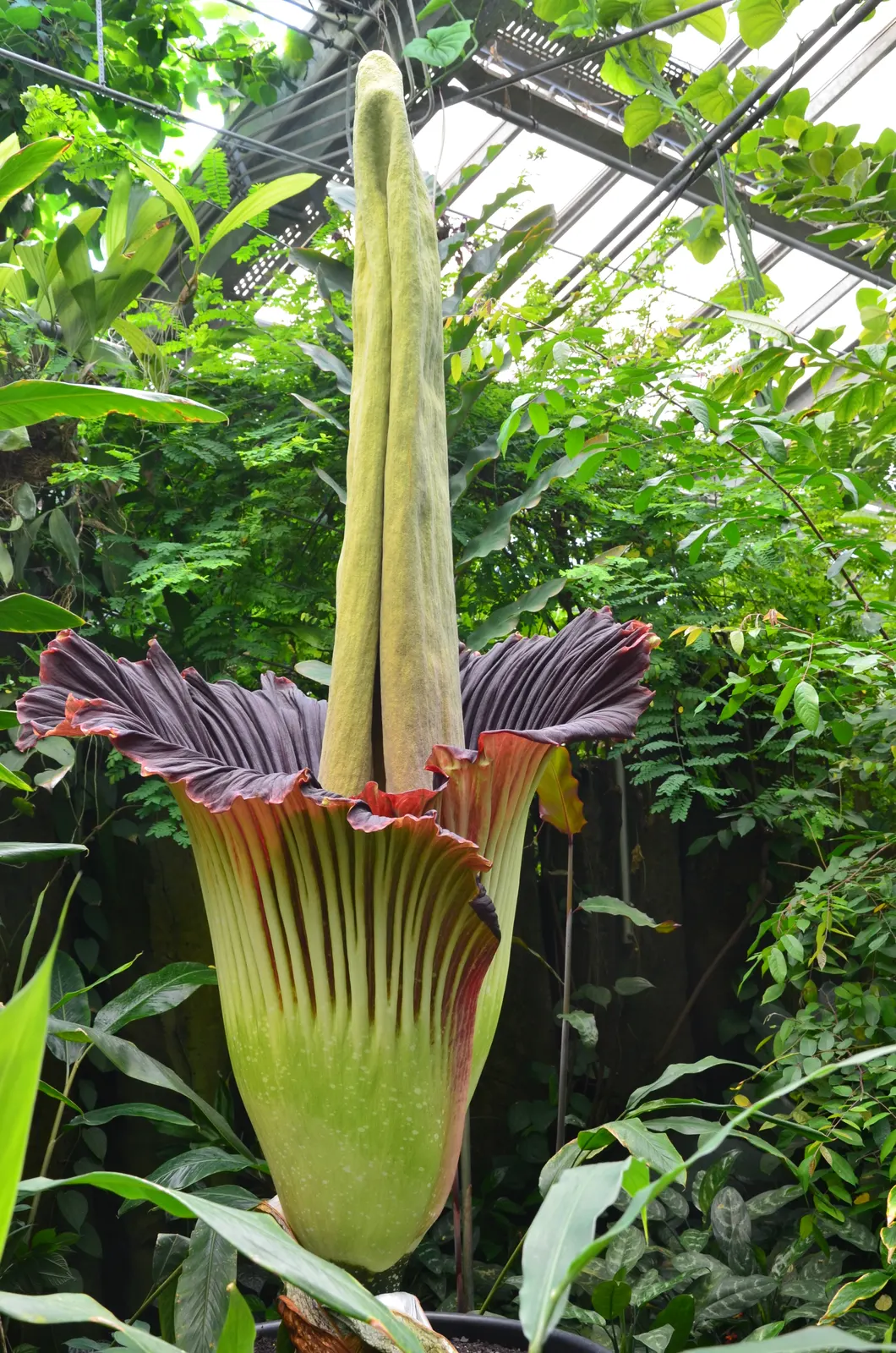
Inflorescence Types: The First Flower to Open Is the Clue
Inflorescence types sorted by the first flower to open: racemose and cymose families, 15 types from raceme to thyrse, with diagrams and Flora of China examples.
Image credit
"Titan Arum at Bayreuth University 19" by Fbianh — https://commons.wikimedia.org/wiki/File:Titan_Arum_at_Bayreuth_University_19.JPG — CC0 1.0 (https://creativecommons.org/publicdomain/zero/1.0/)


The four sections
-
Plant Forms & Structures
Leaf shapes, inflorescences, fruit types and plant structures, each drawn as a labelled diagram and tied to a real species by its accepted scientific name.
3 entries
-
Garden Design History
How garden styles arose and how famous gardens steer the eye, read from period plans and sightlines. Design history only: no planting advice or visitor info.
3 entries
-
Tea & Coffee
The botany, processing chemistry and spread of the tea and coffee plants, with compounds pinned to PubChem. No product reviews, brewing tips or health topics.
3 entries
-
Reading Evolutionary Trees
Reading evolutionary trees: common misreadings, the main branches of plant life, classification diagrams vs phylogenetic hypotheses. No tree-building math.
3 entries
A specimen from the guide
One of the guide's specimen entries, drawn by date each time the guide is updated.
-
Tea & Coffee
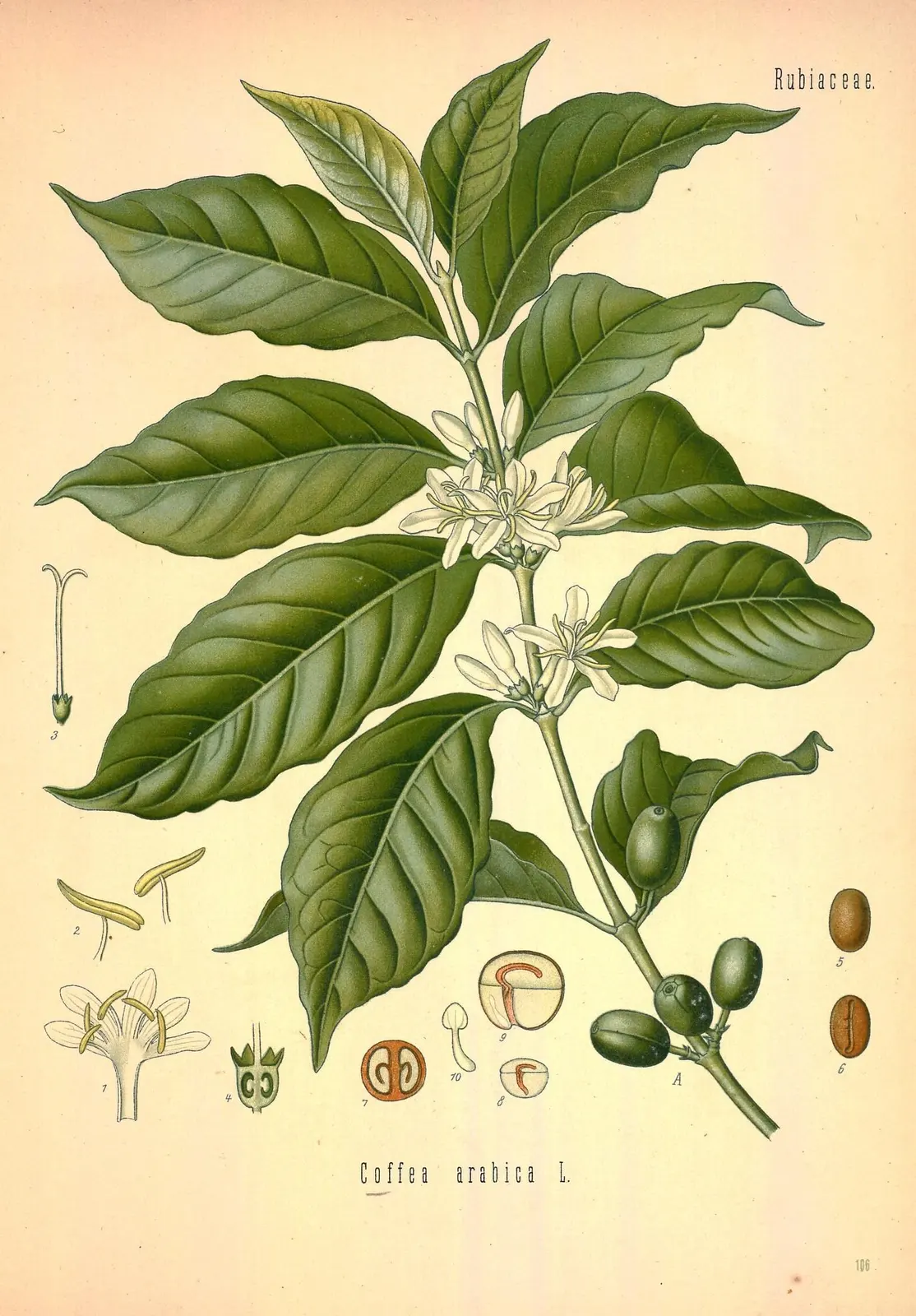
Caffeine: Coffee and Tea Evolved It Separately
Coffee and tea make the same caffeine molecule, but each lineage evolved its own way to make it. See where they sit on the plant tree and what the studies say.
Image credit
"Köhler's Medizinal-Pflanzen in naturgetreuen Abbildungen mit kurz erläuterndem Texte (Plate 106) (8231719251)" by Köhler's Medizinal-Pflanzen (Biodiversity Heritage Library) — https://commons.wikimedia.org/wiki/File:K%C3%B6hler's_Medizinal-Pflanzen_in_naturgetreuen_Abbildungen_mit_kurz_erl%C3%A4uterndem_Texte_(Plate_106)_(8231719251).jpg — Public domain (Plate 106, published in vol. 2 of "Köhler's Medizinal-Pflanzen" in 1890; the plate artist is not named, so the plate is treated as an anonymous work; US: published before 1931; EU: an anonymous work made public more than 70 years ago; the Biodiversity Heritage Library scan is a faithful reproduction)
